Mai 2026
April was an especially productive month for the workshop, filled with beautiful projects and new opportunities.
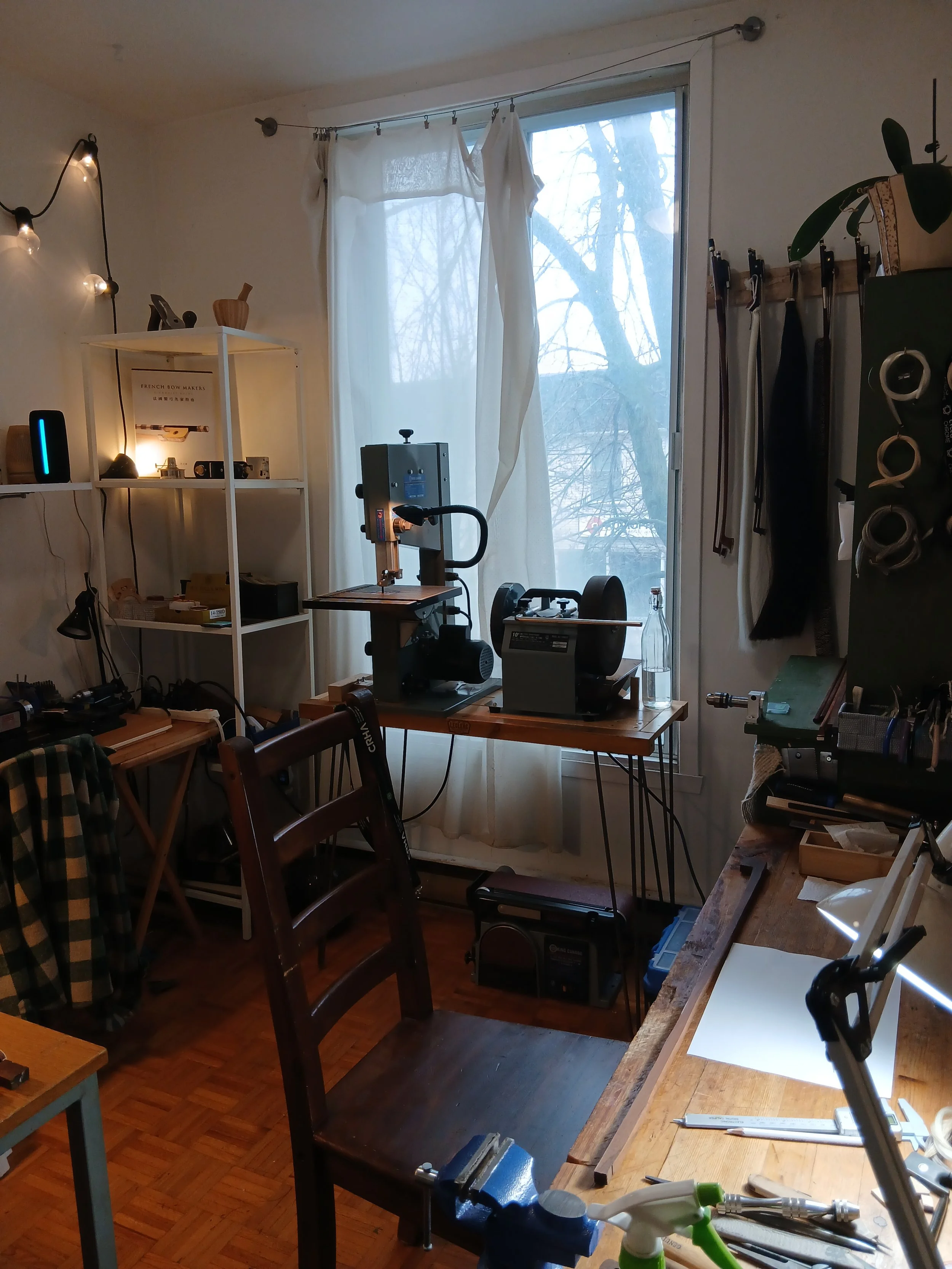
The workshop :
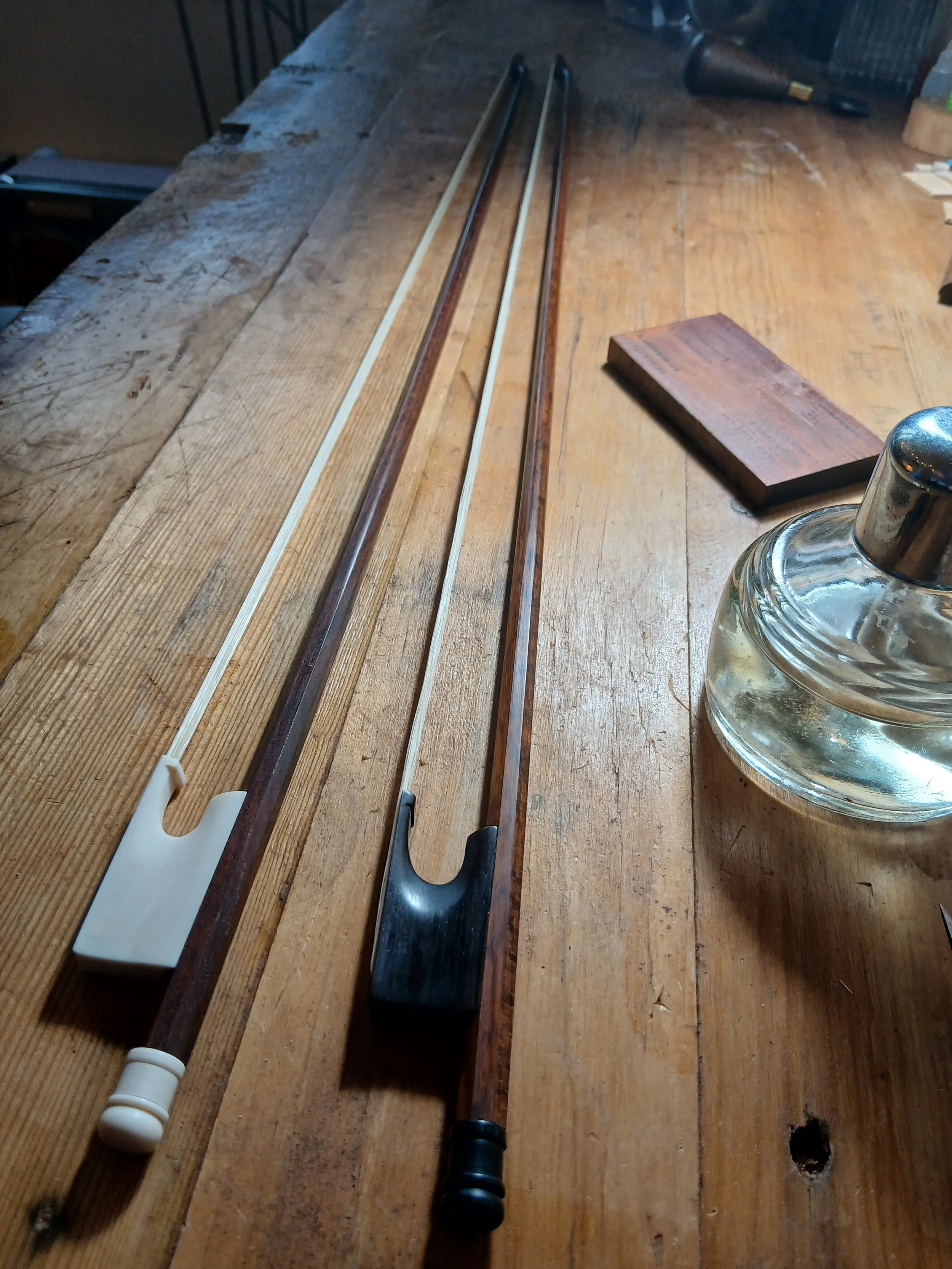
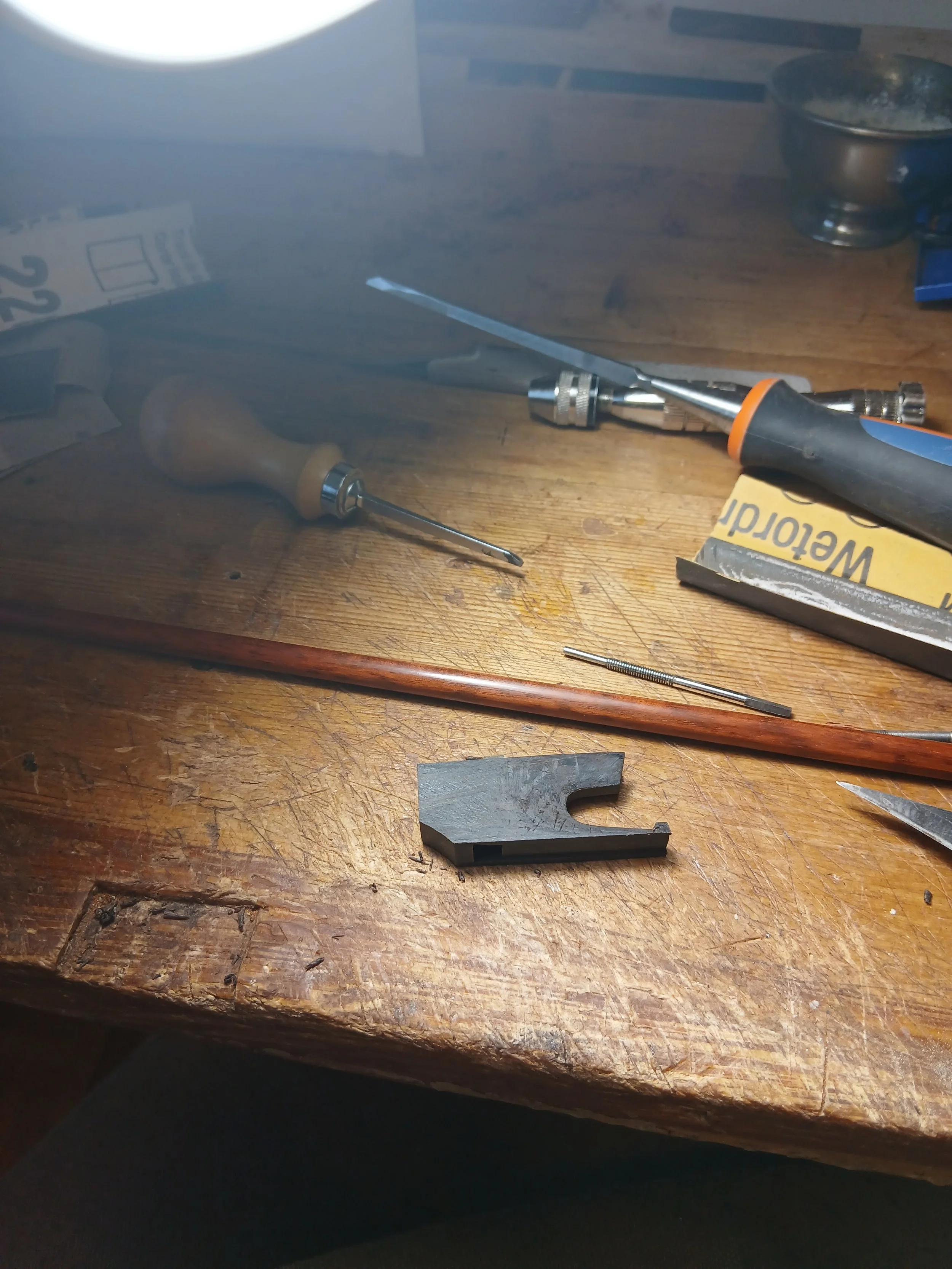
I made several baroque bows, two classical bows for violin and cello, as well as two modern bows in snakewood. It was a very inspiring month, and I can feel my technique and understanding of bow making progressing a little more every week.
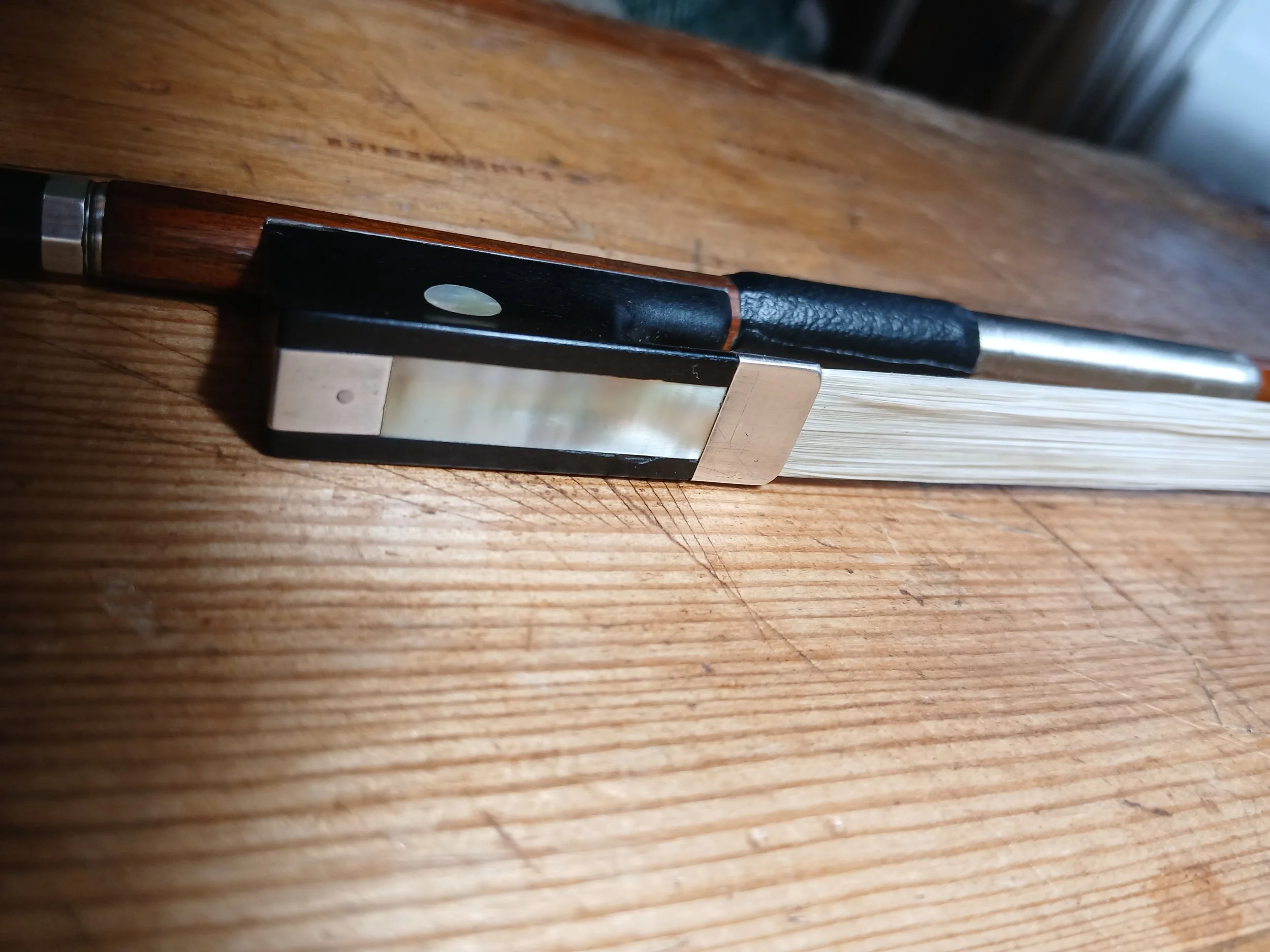
The modern snakewood bows were an interesting challenge. This wood is generally heavier than pernambuco and sometimes has a mixed reputation in modern bow making. However, with careful adjustments to the weight, dimensions, and a thoughtful selection of wood, the results were very satisfying. After several trials and a few more precise refinements, the bows proved to be well balanced and within the usual weight standards. Snakewood is a material I particularly enjoy working with and know very well, so it is exciting for me to explore it within the context of modern bow making and adapt its qualities to this type of bow.
The class :
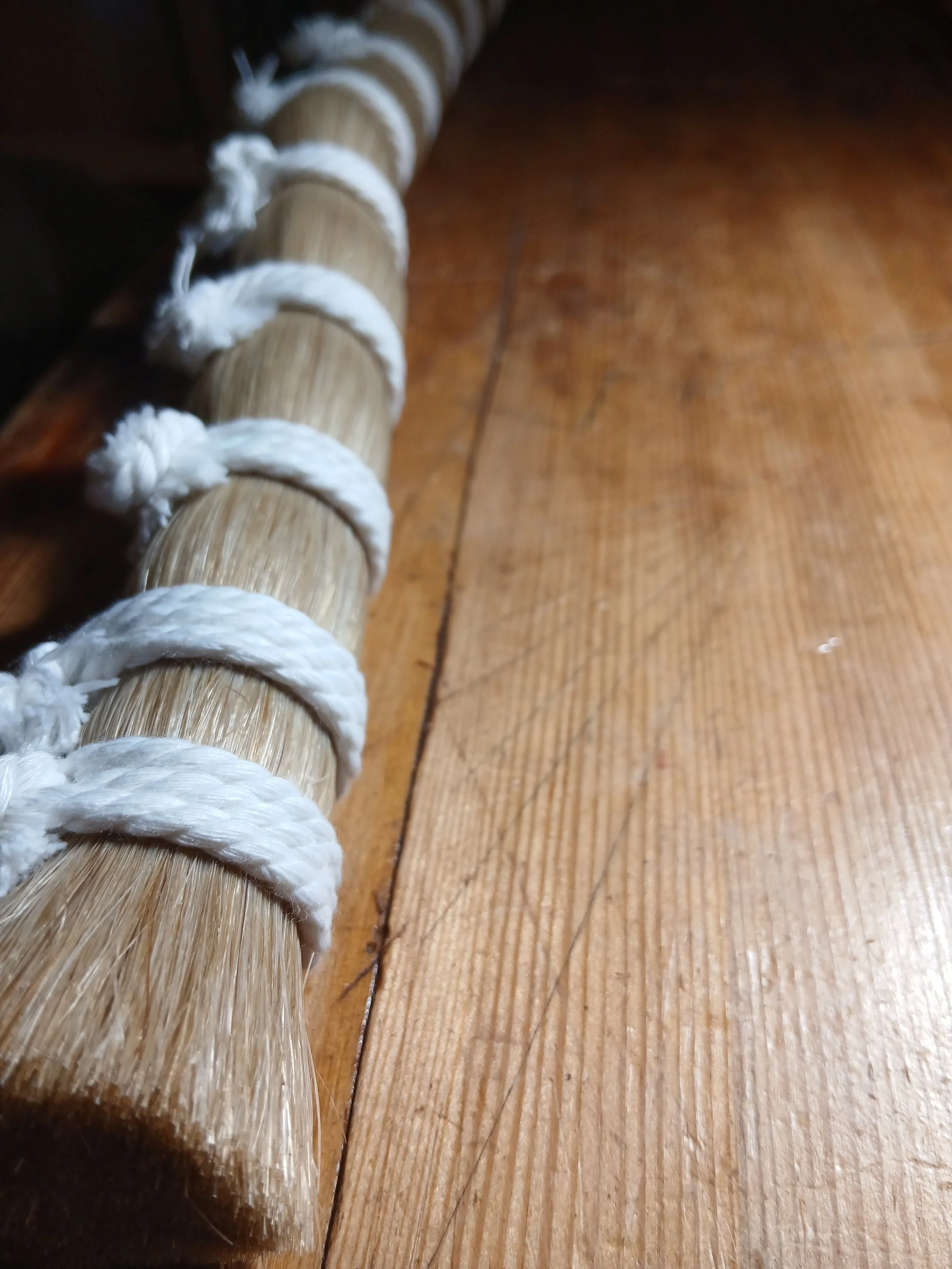
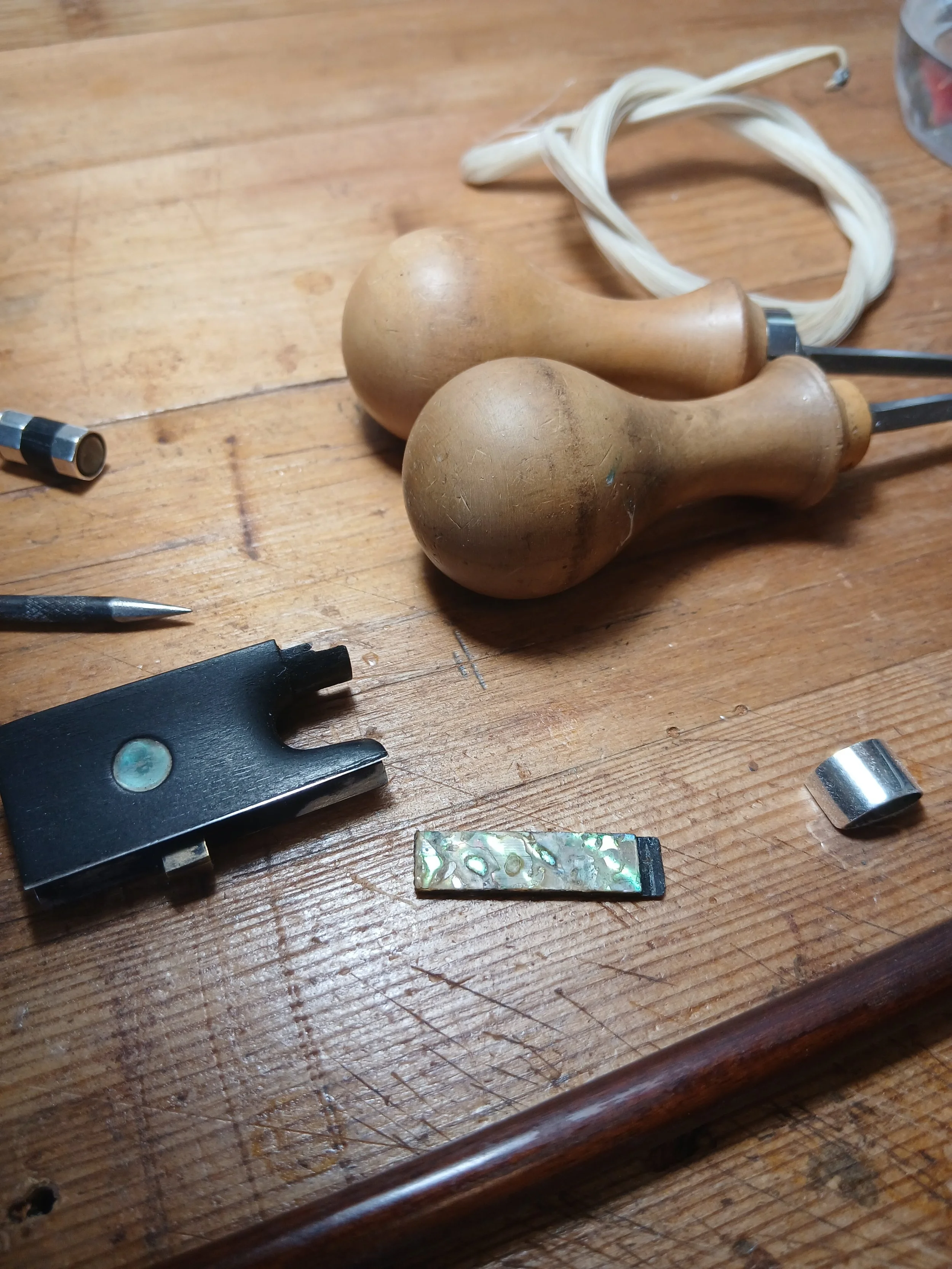
New students have also enrolled in the bow making courses. With Brigitte, in the rehairing course, we are working on bow inspection, cleaning, wedges, knots, and soon the final step: fitting the hair onto the bow.
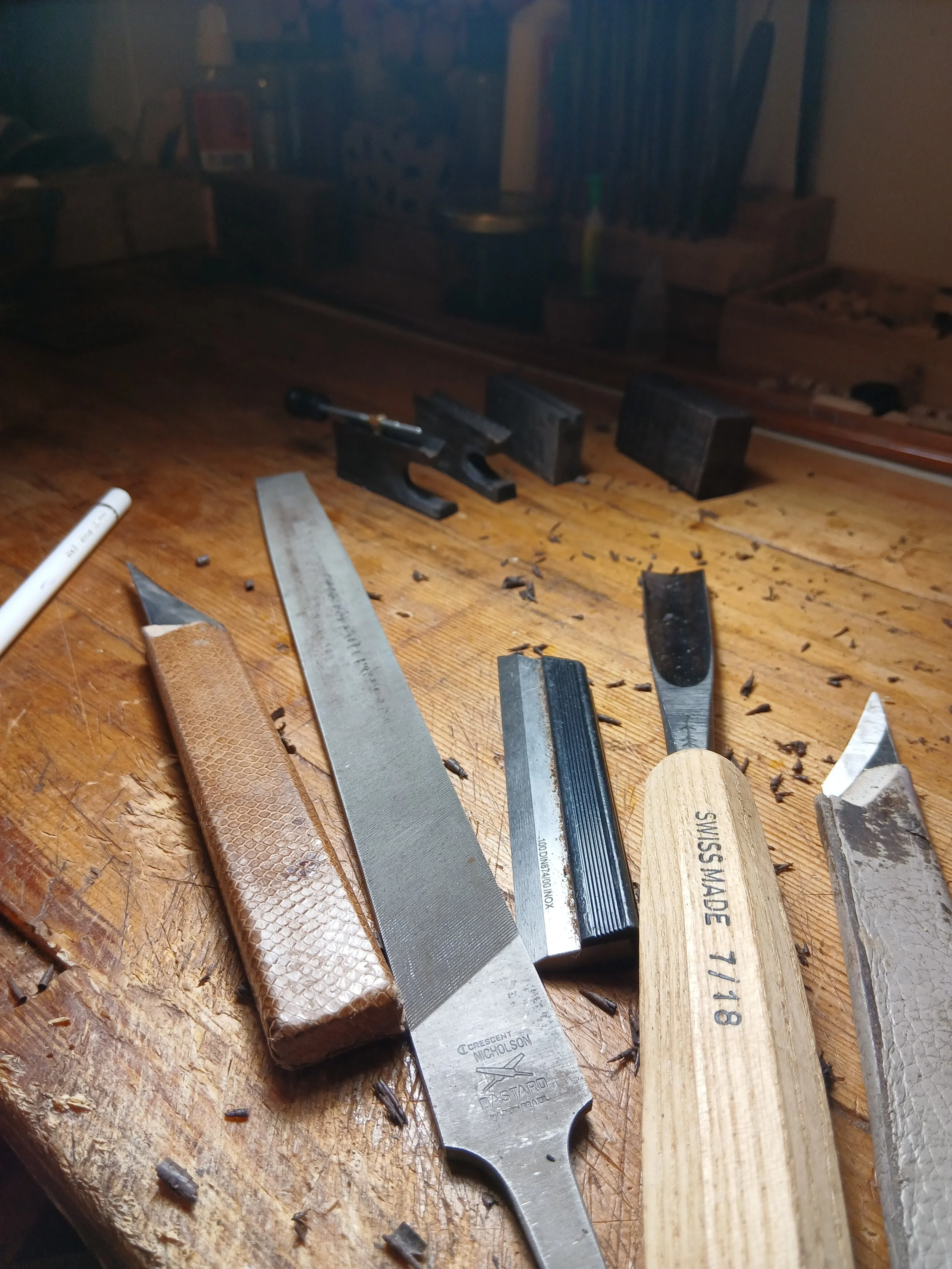
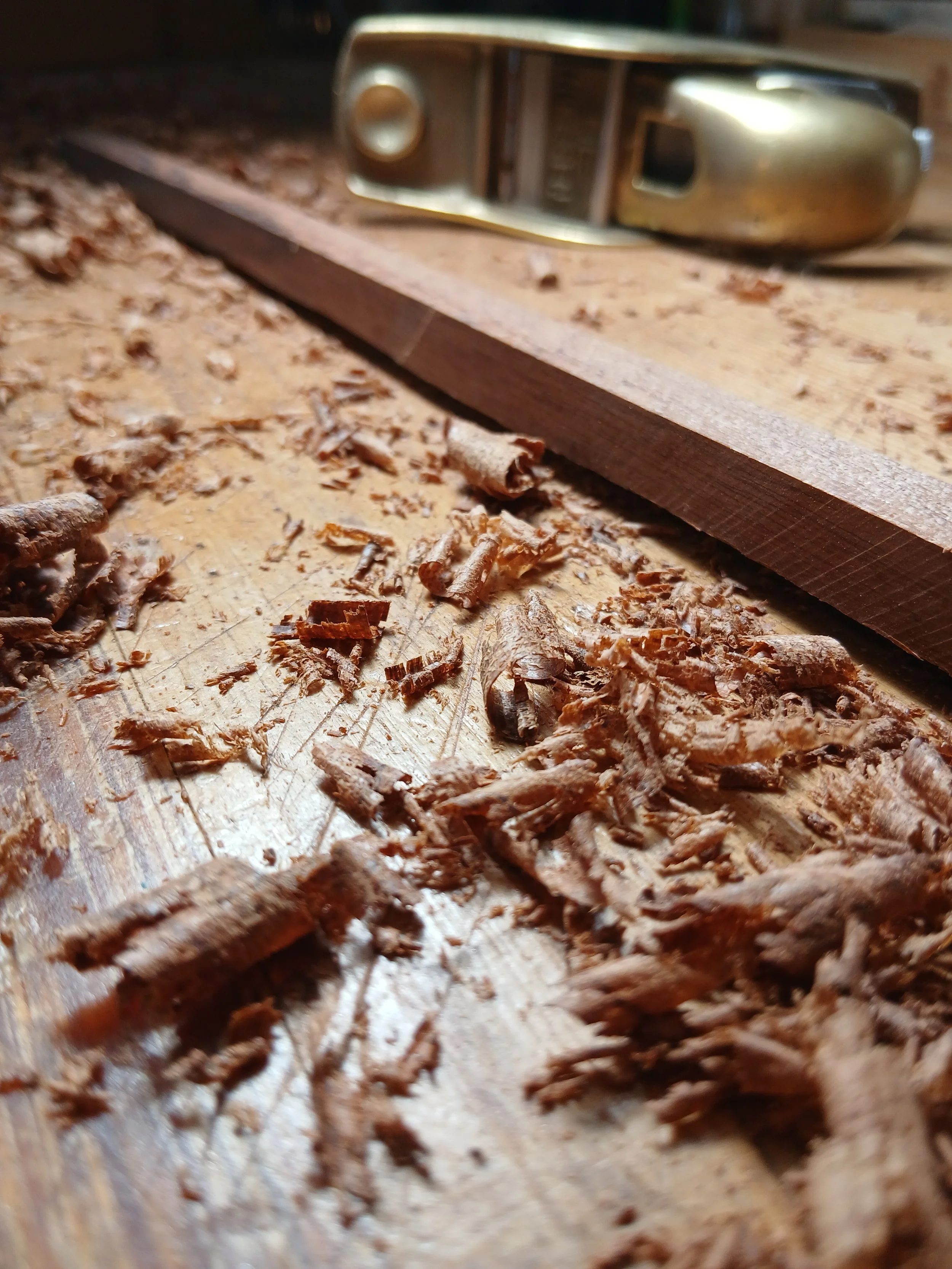
Patrick has begun a course focused on making a modern bow stick. Even before starting the woodworking itself, many questions come up regarding the tools and preparation: the tools specific to bow making, sharpening, the choice of bow model, the wood, templates, measurements, weight, and camber design. We prepare all of these elements together before beginning to plane the stick.
One thing I especially enjoy is teaching bow making techniques as a whole: the position of the body and hands, the quality of the gesture, and the way this energy is transmitted into the object itself, influencing the shapes, precision, and quality of the work.
May is already shaping up to be full of new projects as well. A trip to Toronto is planned, along with new meetings and opportunities for the workshop. New baroque cello bows are currently in progress and will soon be sent out for sale. There will also be many rehairs and maintenance work on some beautiful bows. And hopefully a concert too — I miss it :)
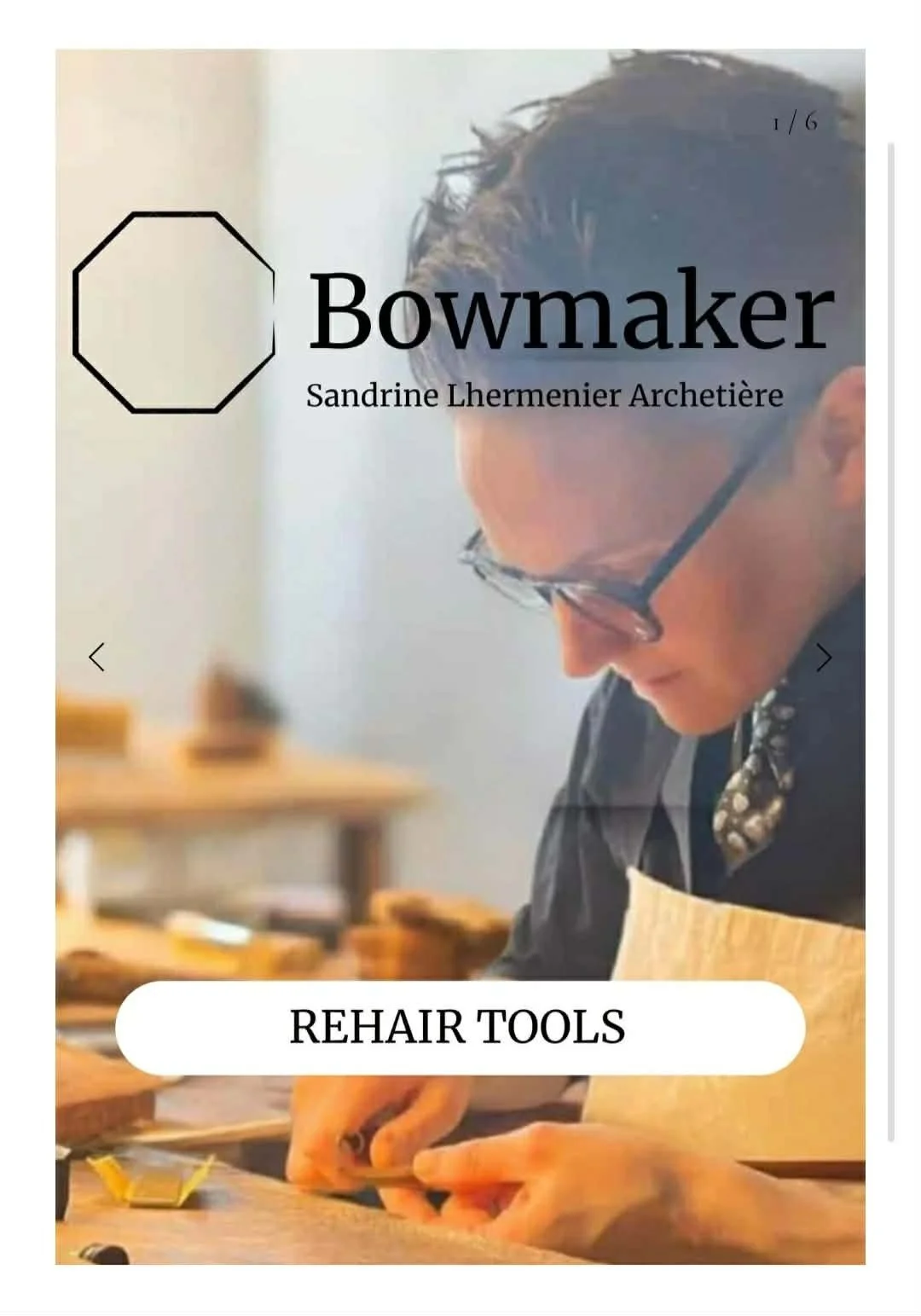
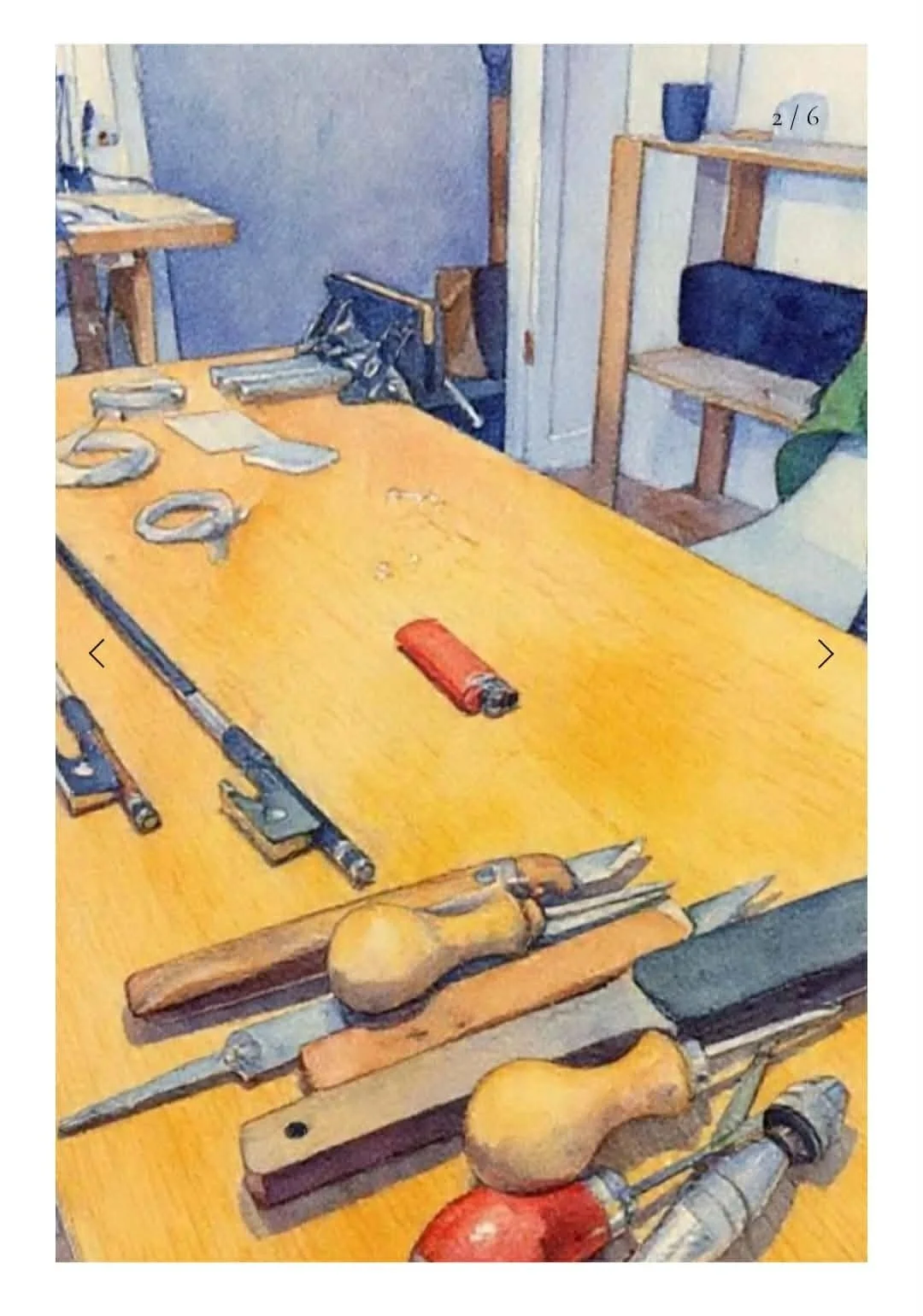
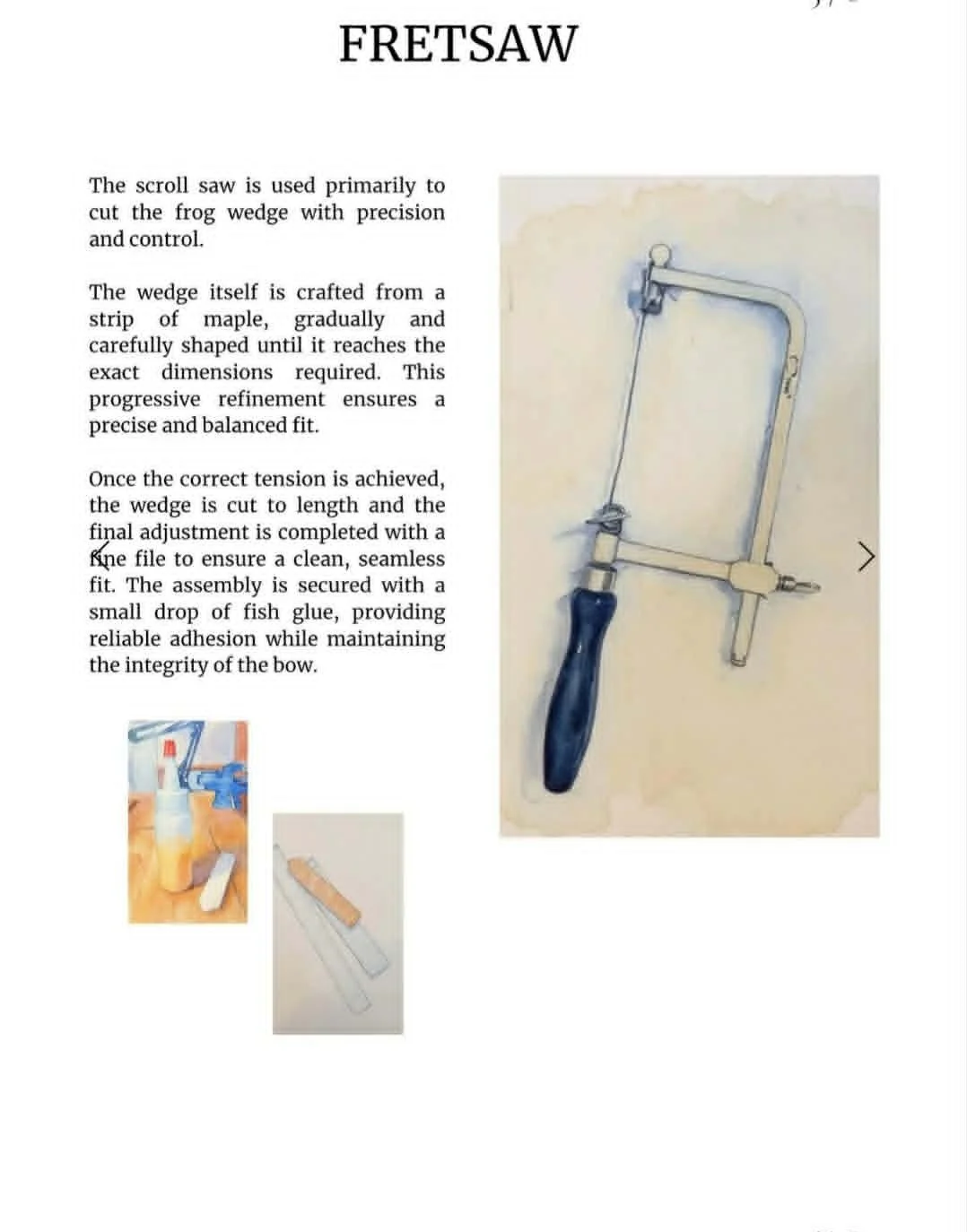
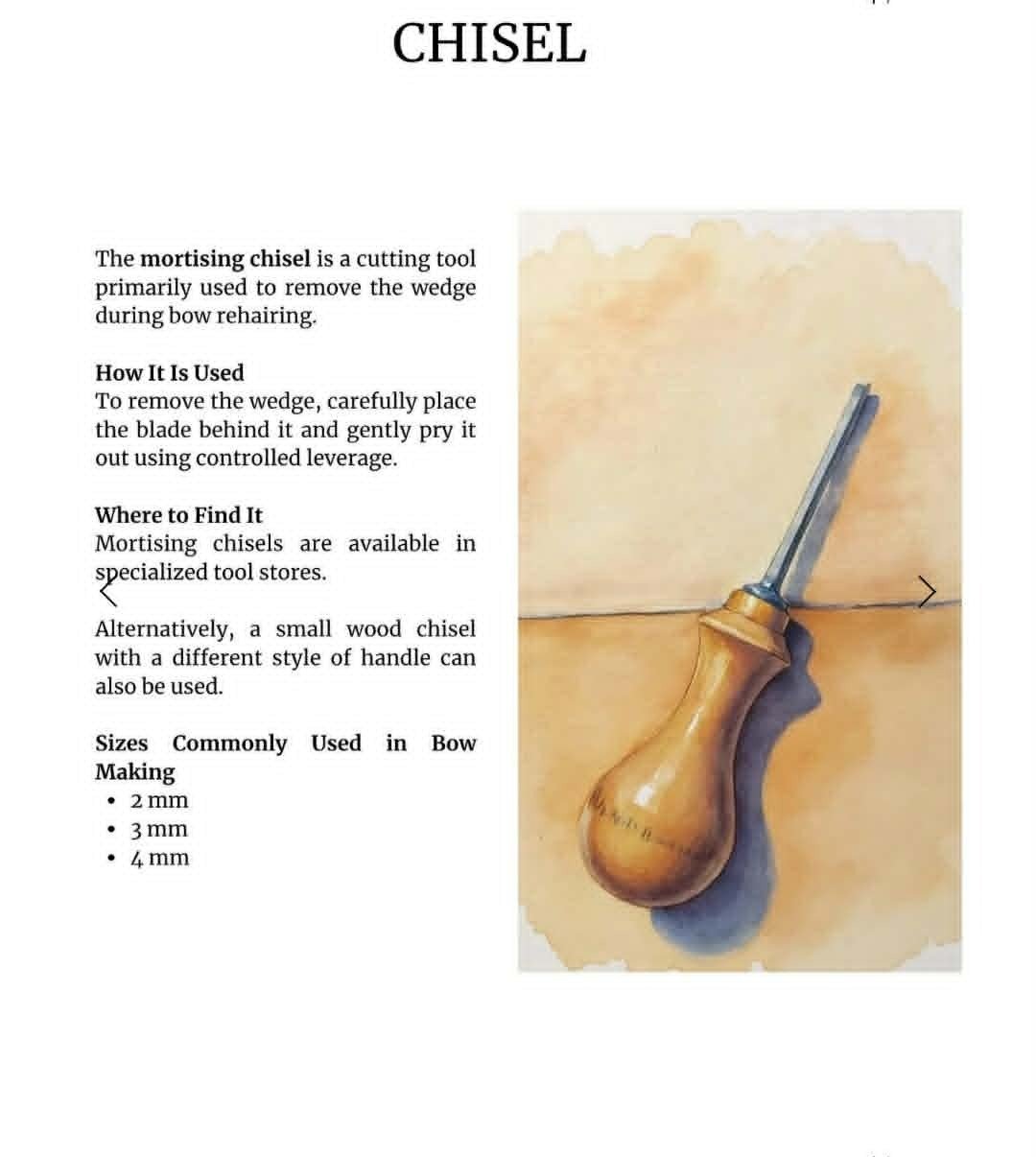
Discover my Rehair Tools guide to learn about the essential tools needed to get fully set up for bow making.
More info about the class at https://www.bowmaker.ca/class-1
Book your class and get my guides at : https://stan.store/Bowmaker
Le mois d’avril a été particulièrement riche pour l’atelier, rempli de beaux projets et de nouvelles opportunités.
L’atelier :
J’ai fabriqué plusieurs archets baroques, deux archets classiques pour violon et violoncelle, ainsi que deux archets modernes en snakewood. Ce fut un mois très stimulant, et je sens ma technique ainsi que ma compréhension de l’archet évoluer un peu plus chaque semaine.
Les archets modernes en snakewood représentaient un défi intéressant. Ce bois est généralement plus lourd que le pernambouc et possède parfois une réputation mitigée dans l’archèterie moderne. Pourtant, avec certains ajustements de poids, de mesures et une belle sélection de bois, les résultats ont été très satisfaisants. Après plusieurs essais et quelques réglages plus précis, les archets se sont révélés bien équilibrés et dans les standards de poids habituels. Le snakewood est un bois que j’aime particulièrement travailler et que je connais bien; c’est donc très excitant pour moi de l’explorer dans un contexte d’archèterie moderne et d’en adapter les qualités à ce type d’archet.
La classe d’archèterie :
De nouveaux élèves se sont également inscrits aux cours d’archèterie. Avec Brigitte, dans le cadre du cours de reméchage, nous travaillons l’inspection de l’archet, le nettoyage, les cales, les ligatures, et bientôt la dernière étape : la pose du crin sur l’archet.
Patrick, quant à lui, a commencé un cours consacré à la fabrication d’une baguette d’archet moderne. Avant même de commencer le travail du bois, beaucoup de questions émergent autour des outils et de la préparation : les outils spécifiques à l’archèterie, leur affûtage, le choix du modèle d’archet, le bois, les gabarits, les mesures, le poids ou encore le modèle de cambre. Nous préparons donc tout cela ensemble avant de commencer à raboter la baguette.
J’aime particulièrement transmettre les techniques de l’archèterie dans leur ensemble : la position du corps et des mains, la qualité du geste, et la manière dont cette énergie se transmet à l’objet et influence les formes ainsi que la précision du travail.
Le mois de mai s’annonce lui aussi rempli de nouveaux projets. Un voyage à Toronto est prévu, accompagné de nouvelles rencontres pour l’atelier. De nouveaux archets baroques pour violoncelle sont actuellement en fabrication et seront bientôt envoyés à la vente. Beaucoup de reméchages et d’entretien de très beaux archets sont également au programme. Et probablement un concert aussi — parce que ça me manquer :)
Découvrez mon guide Rehair Tools pour en apprendre davantage sur les outils essentiels nécessaires afin d’être pleinement équipé pour commencer l’archèterie.
Plus d’informations sur le cours : bowmaker.ca class page
Réservez votre cours et procurez-vous mes guides : https://stan.store/Bowmaker
